Artifact #3 Description: This is an activity that Koichi led in our last weeks of the course. I came up with the concept of a workshop on signed languages in ECCE because of the conversations that came up throughout the course, for example, in the “Tokenism or Genuine Participation?” activity that included the prompt “Baby Signs: An educator is inspired by a baby sign class that is offered in the community, and wants to teach baby signs in the classroom.” This was listed as a “grey area” by several, “genuine participation” by some, and “tokenism” by perhaps one participant, if I remember correctly. With mixed reflections on this prompt, as well as other questions raised about using AAC in place of sign language in ECCE, and about the scarcity of sign language representation from sign language users, e.g., Deaf folks or folks with Deaf parents (CODAs = Children of Deaf Adults). A workshop with tangible tips on meaningfully integrating signed languages into ECCE contexts would seem timely and of interest.
In my own professional practice, this workshop framework supports me in mapping how to support ECCE practitioner-educators move beyond tokenistic ‘baby sign’ approaches towards genuine participation, culturally sustaining ASL opportunities that bring ‘being Deaf’ to life for all learners. For Deaf children in particular, this means seeing themselves reflected in books, resources, visuals, educators, and peers within their learning environments.
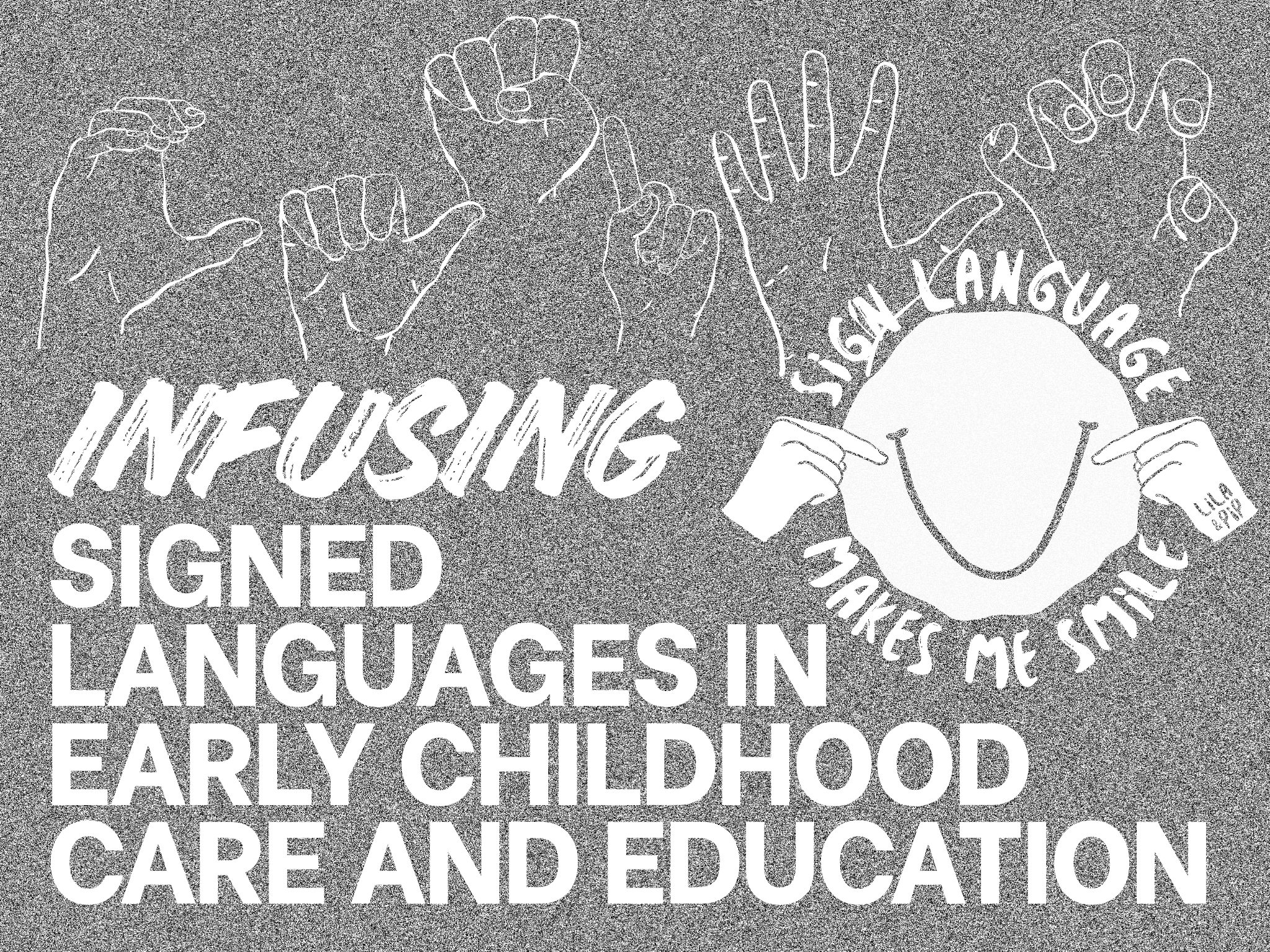
Workshop Title: Infusing Signed Languages in Early Childhood Care and Education
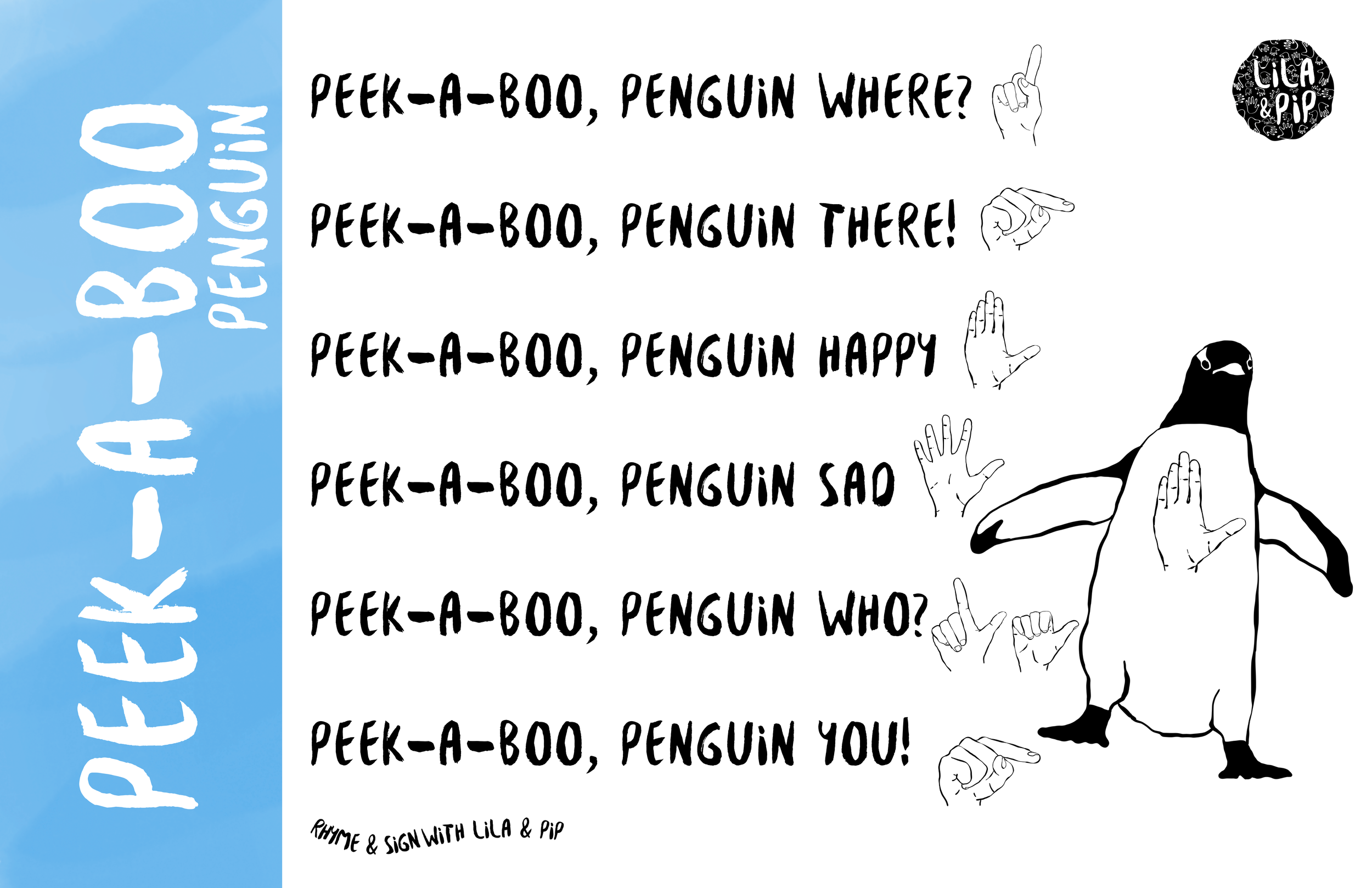
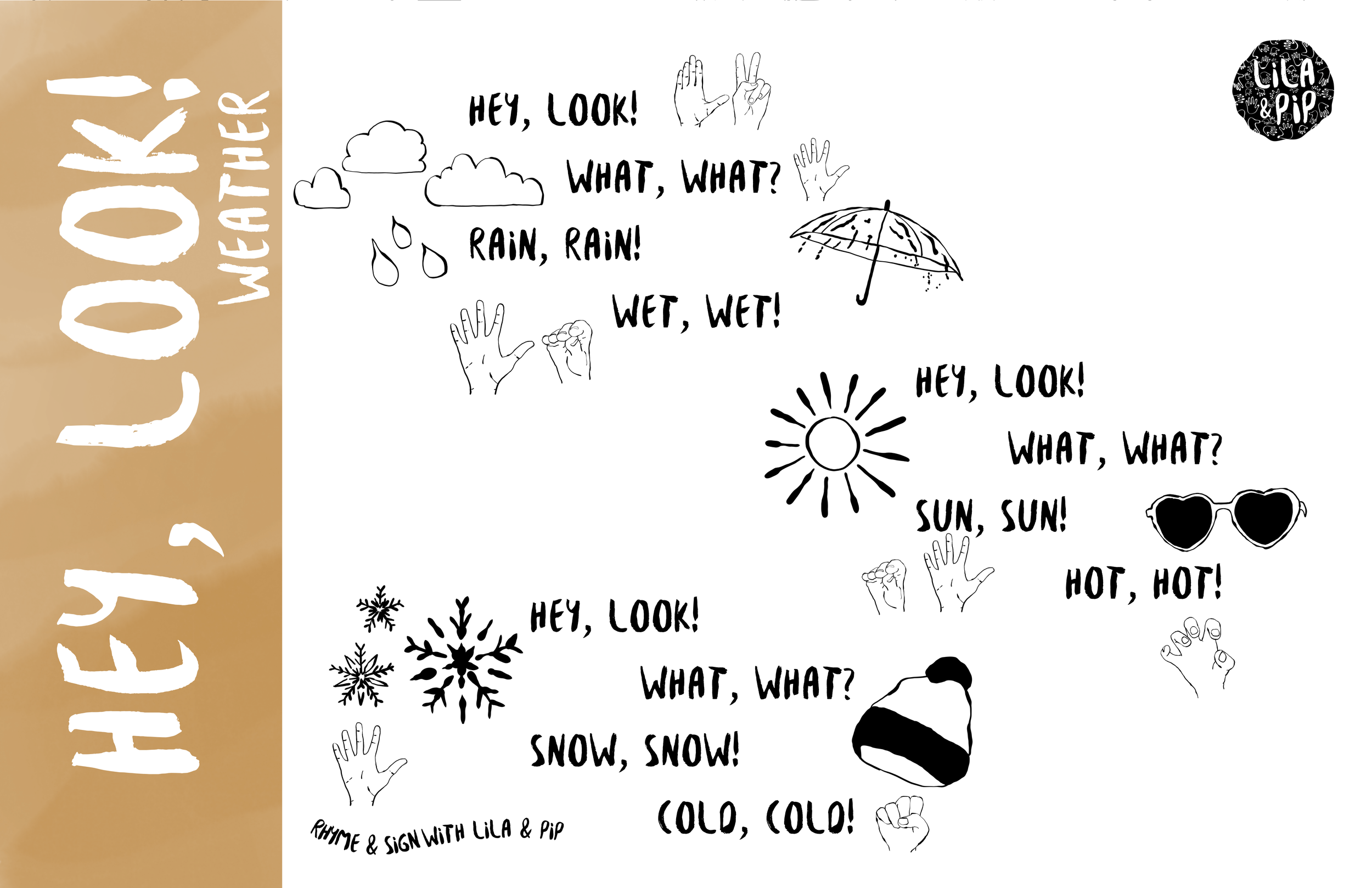
This workshop will help participants distinguish between sign language appreciation and sign language appropriation in ECCE settings, identify opportunities to infuse signed languages and center knowledge keepers, and connect families with Deaf mentors and teachers. Sign language acquisition journeys will be covered e.g., sign babbling, handshape rhymes, early signs. Participants will learn a few ASL Handshape Rhymes & Rhythms they can use and infuse in their practice. This will also be a safe space for conversations about audism and phonocentrism in ECCE.
Living Inquiries (Formerly Areas of Learning)
E.g., Engagement with others, materials, and the world
Pathways (Formerly Learning Goals)
Culture and worldviews: Identify and/or establish policies and practices that welcome Deaf learners, parents, community members, and educators
Engaging with communication and literacies:
Diversity of languages, including signed languages, and extending interactions with Deaf communities
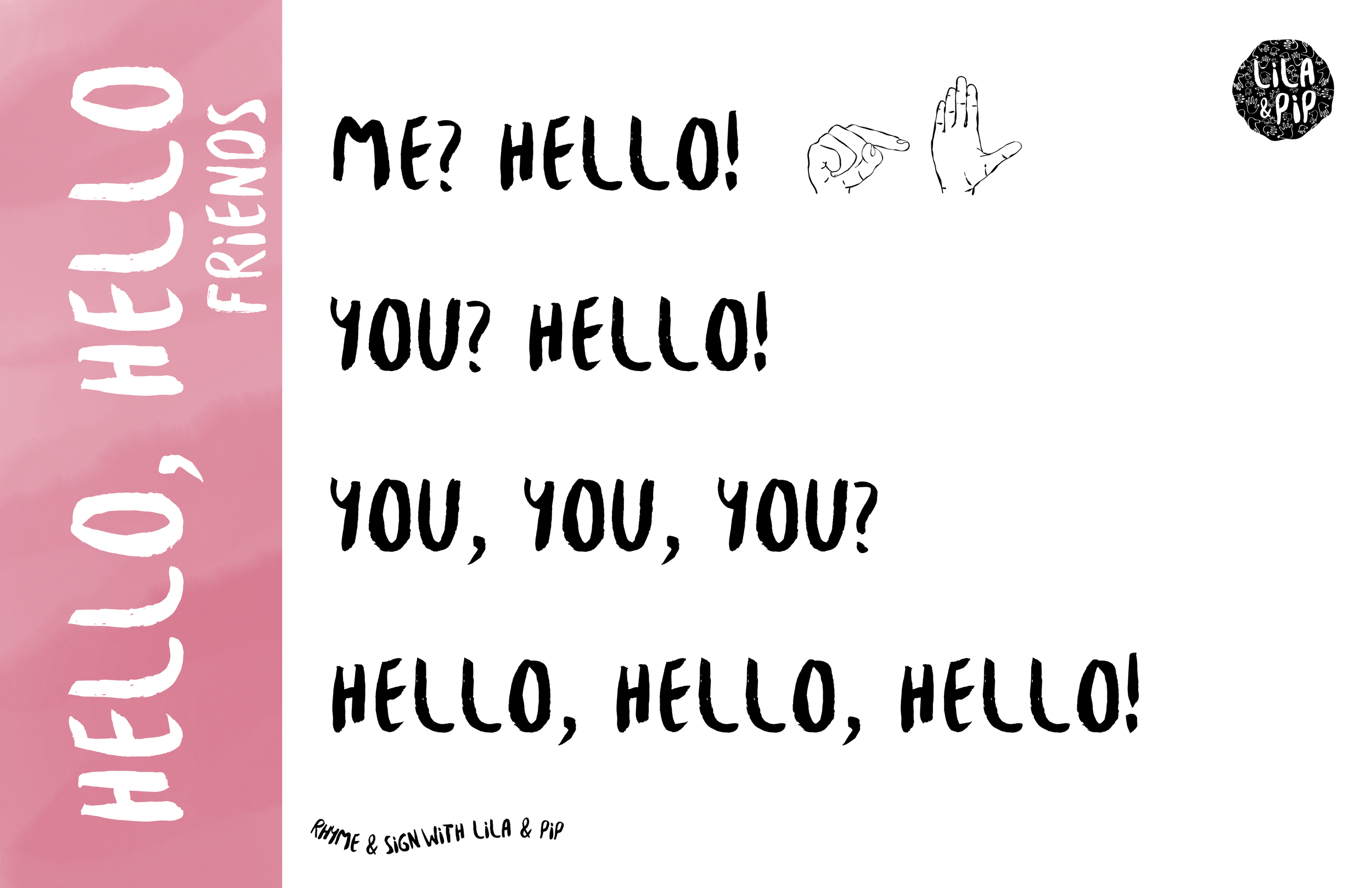
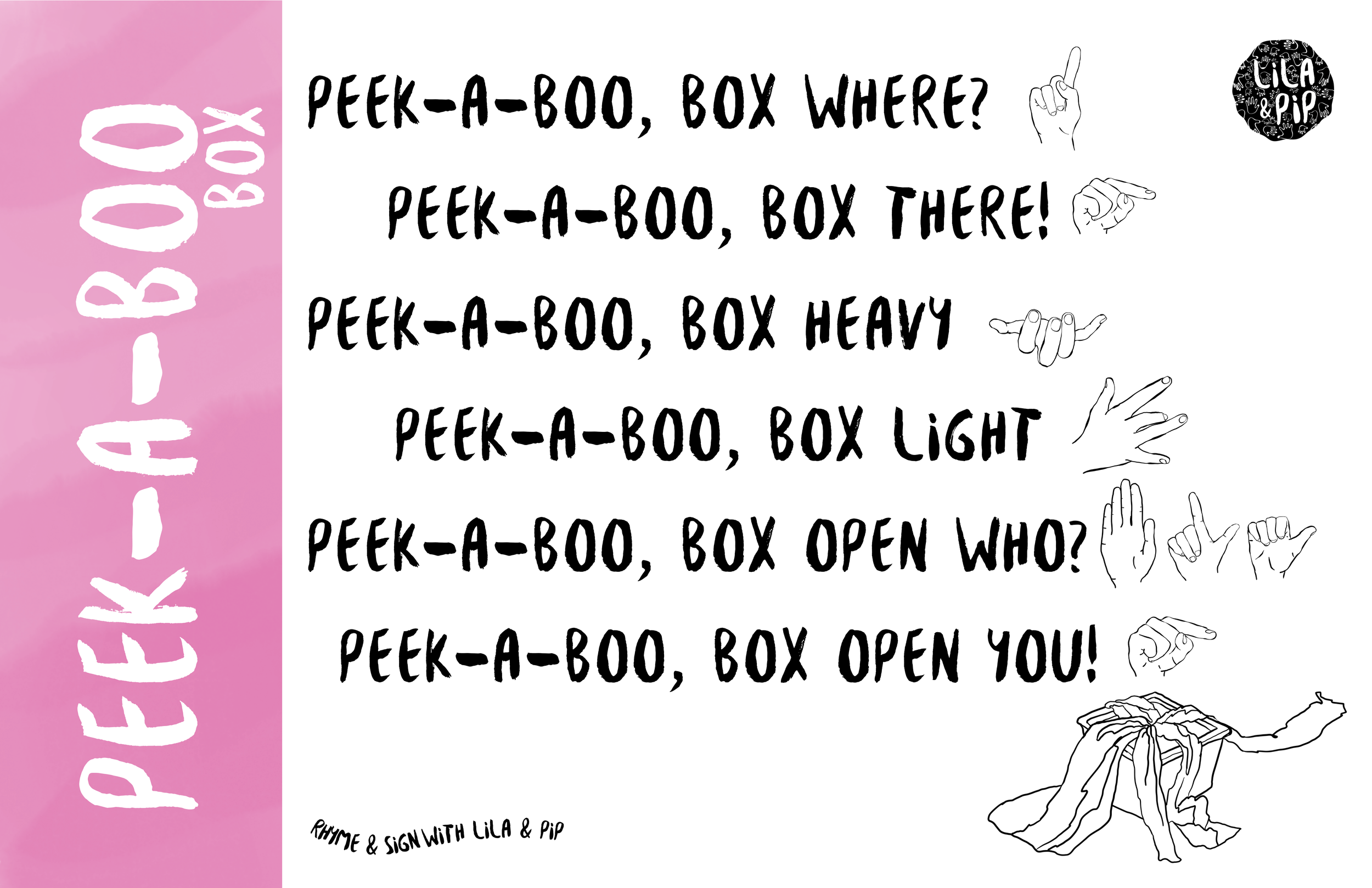
ASL acquisition (including babbling, early sign, basic phrases)
Rhymes & Rhythms
Suitable for students, early care and learning professionals working with infants, toddlers, and young children of all hearing abilities.
Facilitator: Alayna Finley
Alayna Finley is a Deaf PhD student in Education at the University of British Columbia, and is the co-founder of Lila & Pip, an American Sign Language-English early language arts enrichment program supporting families with young children. Her creative work blends visual storytelling with a lived perspective on communication, connection, and belonging. As a child, she learned language by exploring the lyrical flow of words, an approach that continues to shape her creative expression and how she moves in the world. Her academic research focuses on parent-child connection and sign language acquisition; Deaf cultural competency in medical training and early hearing detection and intervention (EHDI) contexts; and how deaf experiences are framed in biomedical narratives.