Artifact #2: Funds of Knowledge Activity
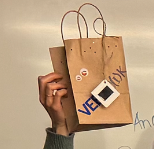
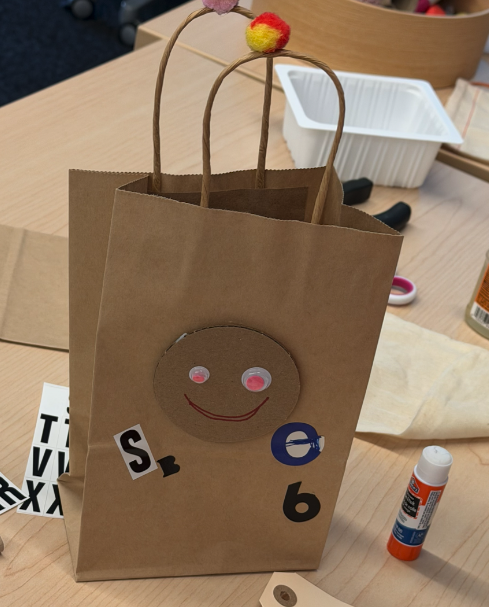
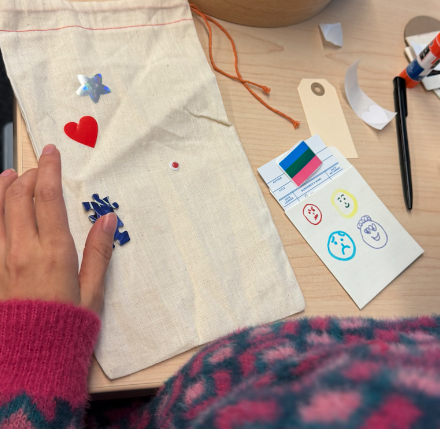
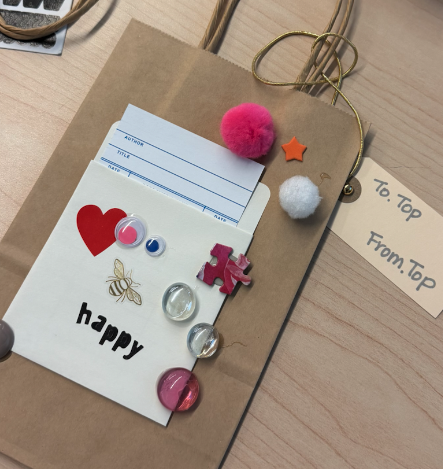
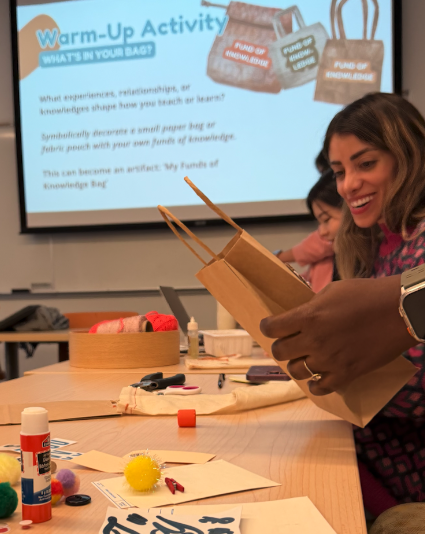
Description: This activity was part of Susan's and my facilitated discussion of readings in the Young Children’s Funds of Knowledge module. Initially constructed as a ‘warm-up’ activity, this took the shape of a multimodal reflective inquiry with the goal of surfacing, mapping, and honouring the personal funds of knowledge that ECCE educator-practitioners carry and bring to their work and the ways in which they move in the world. Together, we engaged in reflection that was directly connected to the course readings (Anderson et al., 2017; Hedges et al., 2011; Reyes et al., 2016).
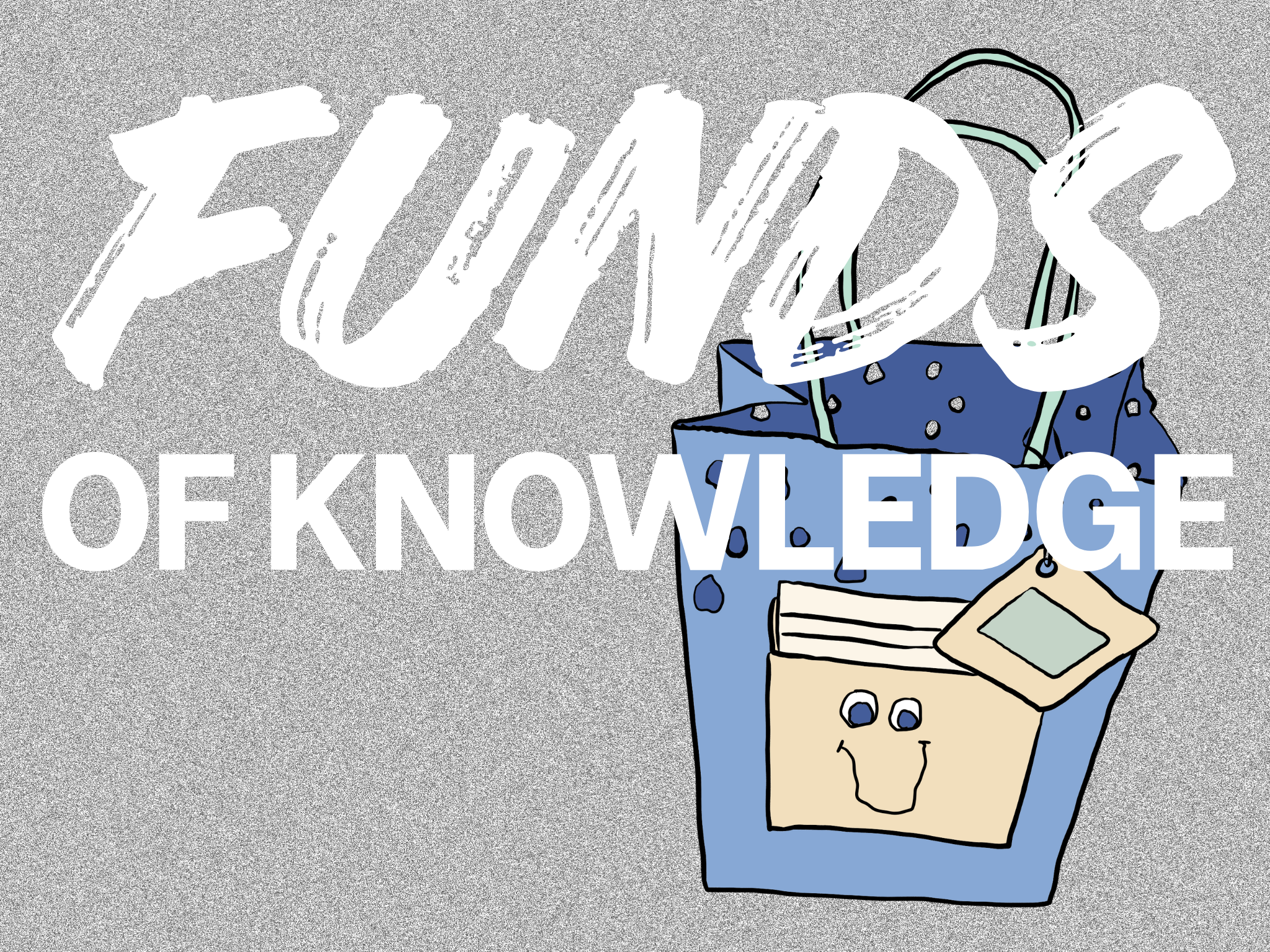
In my work with Deaf learners, early childhood carers and educators, and families, this FOK activity helps me center the stories, histories, and knowledges people carry in their ‘bags’ or ‘pouches’, and to co-design learning experiences that honour desire-based ways of moving in the world rather than defaulting to damage-centered narratives.
Of note: While reflecting on my journey through this course and choosing artifacts, I came across a note I made from the Massing et al. (2013) reading in the Invisible Mediators module (that the toolkit artificat relates to). Here, the ‘funds of knowledge’ construct is identified as part of the resource pedagogies, for example, Culturally Relevant Pedagogy in Ladson-Billings (1995) and Third Space in Gutierrez et al. (1999) and that resource pedagogies can be framed as outdated. Rather, Massing and colleagues recommend using ‘Culturally Sustaining Pedagogy’ (Paris, 2012) that centers both tradition and the evolving nature of home and life with linguistic and cultural dexterity and plurality.
A Recipe for ‘My Funds of Knowledge Bag’
A multimodal reflective inquiry for early childhood carers and educators.
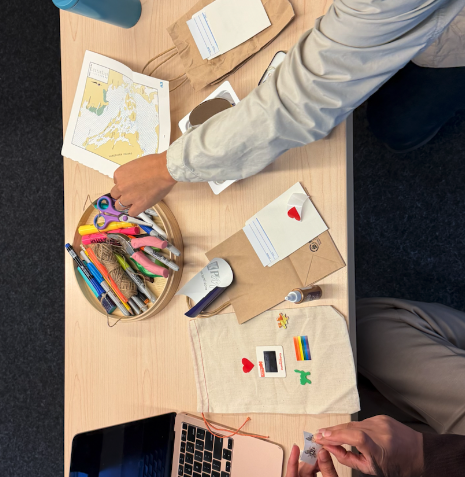
Materials
Assortment of small paper bags, fabric pouches, envelopes
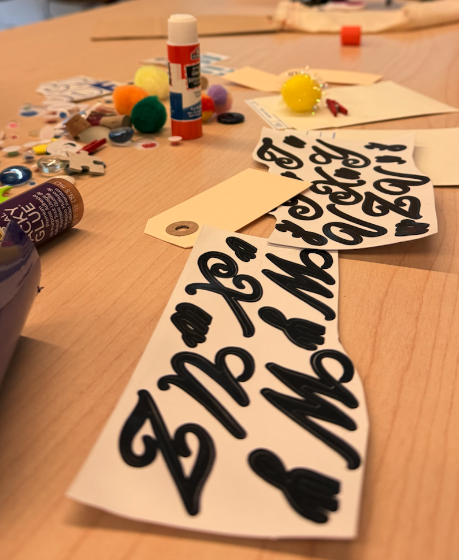
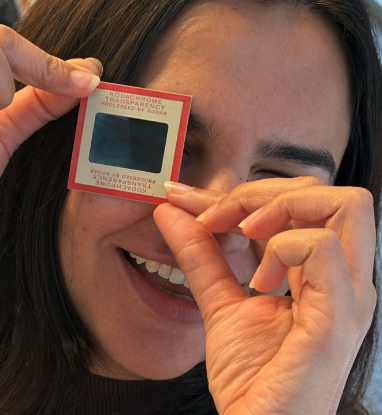
Recycled collage materials (e.g., magazines, scrap paper, yarn, film slides, library check-out card/ pocket sets, etc.); Urban Source in Vancouver has interesting reclaimed materials for alternative art supplies
Art materials (e.g., googly eyes, vinyl stickers, washi tape, etc.)
Markers
Tape, glue sticks
Scissors
Optional: natural materials (e.g., leaves, twine, small stones)
Before the activity
Set the tone: Create a calm, safe, open space.
Frame the activity: The activity has creative components but at its heart is a reflective pedagogical inquiry about knowledges we each carry, and the ways that these knowledges are shaped by lived experiences in family, community, and social spaces
Connect to theory. E.g., Funds of Knowledge are “bodies of knowledge and information that households use to survive” (Anderson et al., 2017 p. 21); “parents’ language, values, and beliefs” (Hedges et al., 2010 p. 189); “a framework for preparing preservice teachers to recognize and engage with the knowledge that children gain… in homes, communities and transational contexts” (Reyes et al., 2016 p. 13).
Steps (Facilitation Instructions)
Step 1: Invite reflection
Give participants the prompt:
What experiences, relationships, stories, or knowledges shape how you learn or teach? If you could carry these in a bag, what would be inside? What would your fund of knowledge holder/ container look like?
Encourage introspection for 1-2 minutes. While participants reflect to themselves, bring out the materials.
Step 2: Create the bag
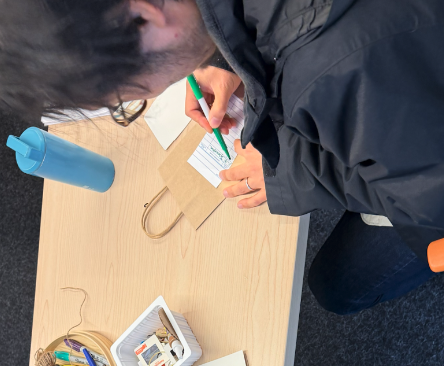
Participants create their bag/ pouch using the available materials.
They may also wish to add:
illustrations
words, names, or quotes
symbols representing people, places, languages, or moments
Step 3: Optional add-ins
Invite participants to place something symbolic inside their bag. This extends the metaphor of carrying knowledge.
Step 4: Guided reflection
After bags are complete, or near-complete, prompt with:
If you’re comfortable, share with us your FOK bag
What patterns or memories do you see in the creation of your FOK bag?
If your bag could ‘talk’, what might it say?
Which FOK do you rely on most in your work with young children and families?
Depending on the participant group size and composition, this can be done as a journal entry individually, shared in pairs, or in a wider group (if time permits).
Step 5: Bridging to Practice
As a group, ask:
How might you center children’s and families’ FOK into your future practice?
Adaptations
If done with children, use large grocery bags or yard clippings bags, paint, natural items, and create a class FOK wall.
If done online, create a digital collage or flat lay of items from inside the home.
If done as professional development, consider displaying all the bags together as a collective representation of educator-practitioner knowledge.
Timing
Total: 30-45 minutes
Framing & theory: 5 minutes
Bag creation: 15+ minutes
Reflection & discussion: 10+ minutes