• Blog
  • Creative Work
  • About
Menu

ALAYNA FINLEY

  • Blog
  • Creative Work
  • About

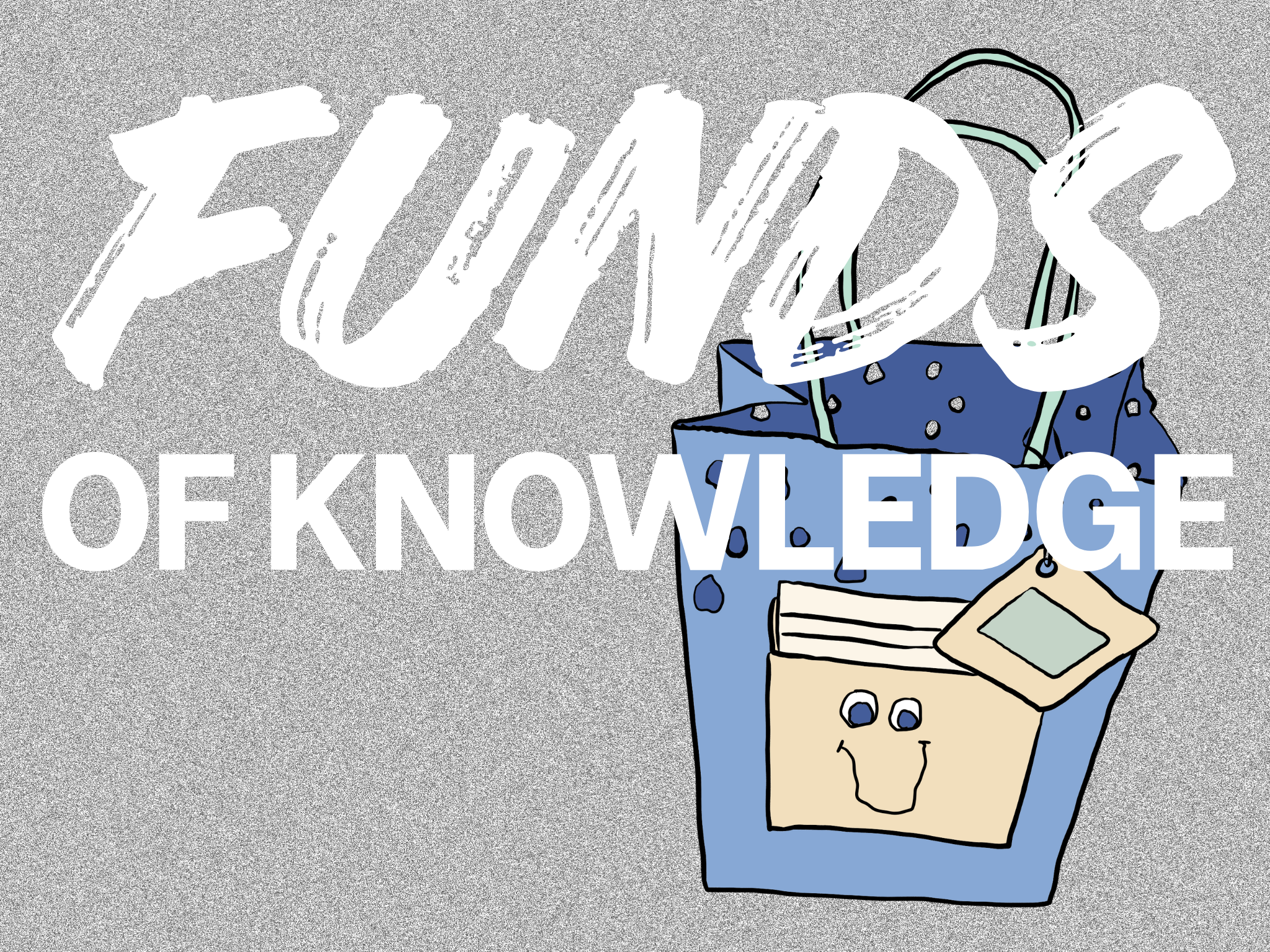
Image Description: A textured grey background features large brush-style text reading “Funds of Knowledge.” On the right side is an illustrated blue paper bag with green handles and scattered punched holes. The bag includes a library check-out card/ pocket set with a smiling face drawn on it and googly eyes. A film slide hangs from the handles. The hole punches depict gaps in Alayna’s fund of knowledge stemming from incomplete access to language. The film slide represents the various lenses Alayna uses to understand the world.

What's In Your Bag?

November 30, 2025

Artifact #2: Funds of Knowledge Activity

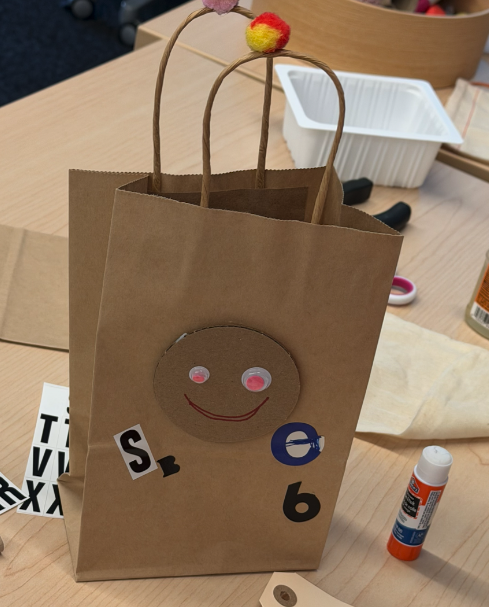
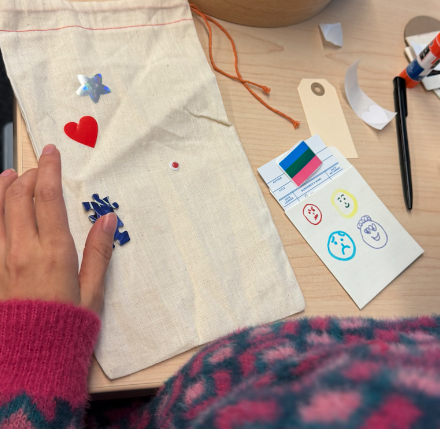
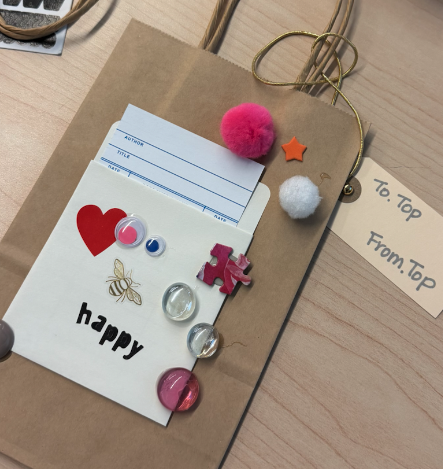
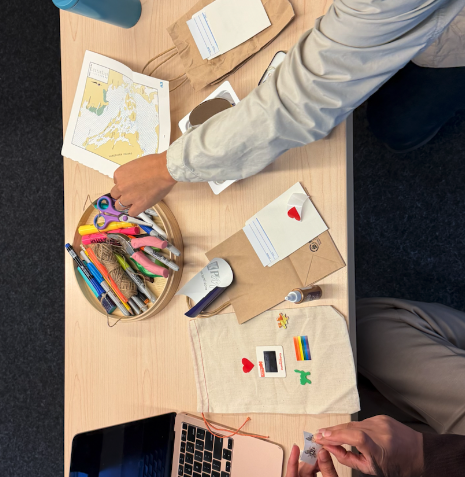
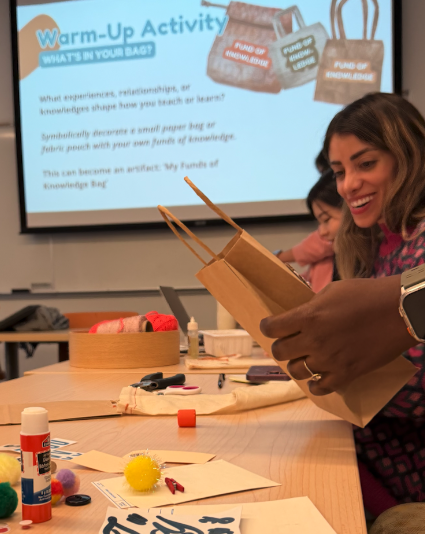
Description: This activity was part of Susan's and my facilitated discussion of readings in the Young Children’s Funds of Knowledge module. Initially constructed as a ‘warm-up’ activity, this took the shape of a multimodal reflective inquiry with the goal of surfacing, mapping, and honouring the personal funds of knowledge that ECCE educator-practitioners carry and bring to their work and the ways in which they move in the world. Together, we engaged in reflection that was directly connected to the course readings (Anderson et al., 2017; Hedges et al., 2011; Reyes et al., 2016).

In my work with Deaf learners, early childhood carers and educators, and families, this FOK activity helps me center the stories, histories, and knowledges people carry in their ‘bags’ or ‘pouches’, and to co-design learning experiences that honour desire-based ways of moving in the world rather than defaulting to damage-centered narratives.

Of note: While reflecting on my journey through this course and choosing artifacts, I came across a note I made from the Massing et al. (2013) reading in the Invisible Mediators module (that the toolkit artificat relates to). Here, the ‘funds of knowledge’ construct is identified as part of the resource pedagogies, for example, Culturally Relevant Pedagogy in Ladson-Billings (1995) and Third Space in Gutierrez et al. (1999) and that resource pedagogies can be framed as outdated. Rather, Massing and colleagues recommend using ‘Culturally Sustaining Pedagogy’ (Paris, 2012) that centers both tradition and the evolving nature of home and life with linguistic and cultural dexterity and plurality.

A Recipe for ‘My Funds of Knowledge Bag’

A multimodal reflective inquiry for early childhood carers and educators.

Materials

  • Assortment of small paper bags, fabric pouches, envelopes

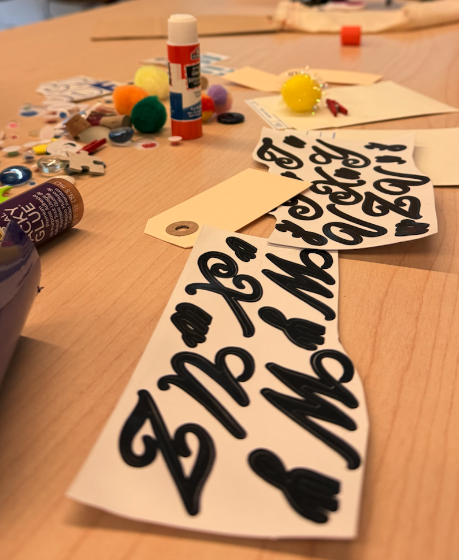
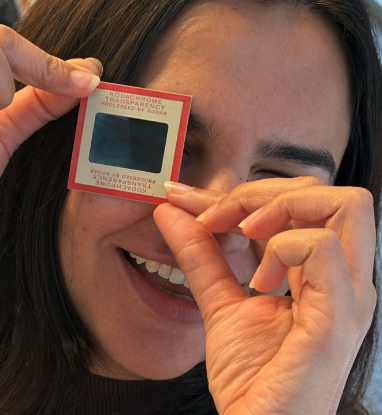
  • Recycled collage materials (e.g., magazines, scrap paper, yarn, film slides, library check-out card/ pocket sets, etc.); Urban Source in Vancouver has interesting reclaimed materials for alternative art supplies

  • Art materials (e.g., googly eyes, vinyl stickers, washi tape, etc.)

  • Markers

  • Tape, glue sticks

  • Scissors

  • Optional: natural materials (e.g., leaves, twine, small stones)

Before the activity

  1. Set the tone: Create a calm, safe, open space.

  2. Frame the activity: The activity has creative components but at its heart is a reflective pedagogical inquiry about knowledges we each carry, and the ways that these knowledges are shaped by lived experiences in family, community, and social spaces

  3. Connect to theory. E.g., Funds of Knowledge are “bodies of knowledge and information that households use to survive” (Anderson et al., 2017 p. 21); “parents’ language, values, and beliefs” (Hedges et al., 2010 p. 189); “a framework for preparing preservice teachers to recognize and engage with the knowledge that children gain… in homes, communities and transational contexts” (Reyes et al., 2016 p. 13).

Steps (Facilitation Instructions)

Step 1: Invite reflection

Give participants the prompt:

What experiences, relationships, stories, or knowledges shape how you learn or teach? If you could carry these in a bag, what would be inside? What would your fund of knowledge holder/ container look like?

Encourage introspection for 1-2 minutes. While participants reflect to themselves, bring out the materials.

Step 2: Create the bag

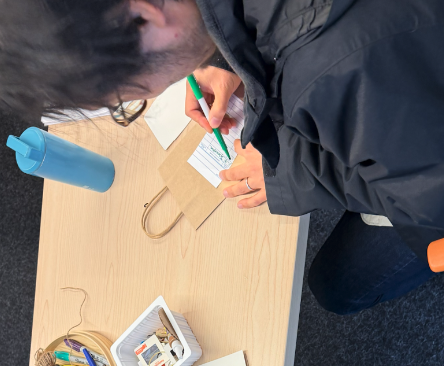
Participants create their bag/ pouch using the available materials.

They may also wish to add:

  • illustrations

  • words, names, or quotes

  • symbols representing people, places, languages, or moments

Step 3: Optional add-ins

Invite participants to place something symbolic inside their bag. This extends the metaphor of carrying knowledge.

Step 4: Guided reflection

After bags are complete, or near-complete, prompt with:

  • If you’re comfortable, share with us your FOK bag

  • What patterns or memories do you see in the creation of your FOK bag?

  • If your bag could ‘talk’, what might it say?

  • Which FOK do you rely on most in your work with young children and families?

Depending on the participant group size and composition, this can be done as a journal entry individually, shared in pairs, or in a wider group (if time permits).

Step 5: Bridging to Practice

As a group, ask:

How might you center children’s and families’ FOK into your future practice?

Adaptations

If done with children, use large grocery bags or yard clippings bags, paint, natural items, and create a class FOK wall.

If done online, create a digital collage or flat lay of items from inside the home.

If done as professional development, consider displaying all the bags together as a collective representation of educator-practitioner knowledge.

Timing

Total: 30-45 minutes

Framing & theory: 5 minutes

Bag creation: 15+ minutes

Reflection & discussion: 10+ minutes
Screenshot 2025-12-05 at 4.31.45 PM.png
Screenshot 2025-12-05 at 4.31.33 PM.png
Screenshot 2025-12-05 at 4.31.24 PM.png
Screenshot 2025-12-05 at 4.31.18 PM.png
Screenshot 2025-12-05 at 4.31.05 PM.png
Screenshot 2025-12-05 at 4.30.44 PM.png
Screenshot 2025-12-05 at 4.30.32 PM.png
Screenshot 2025-12-05 at 4.30.08 PM.png
Screenshot 2025-12-05 at 4.29.55 PM.png

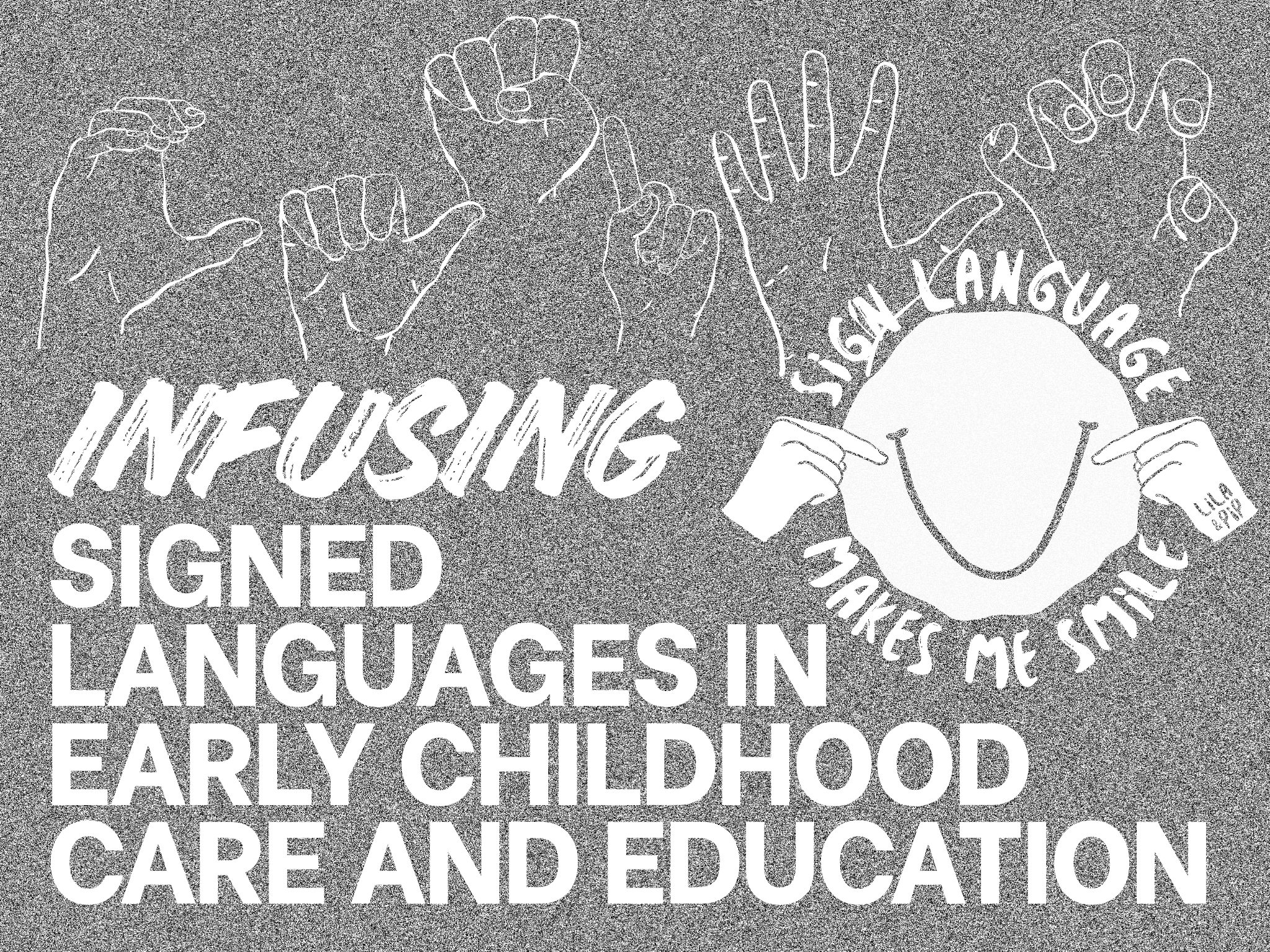
Image Description: A textured grey background features white illustrated line art of ASL handshapes that first show up in young children’s sign babbling and sign language use (i.e., Handshapes C, A, S, 1, 5, and BENT-5 [or CLAW]). Centered on the right side is a round smiling face in the shape of the Lila & Pip logo (a blot of ink). The smiling face has two hands pulling upwards at each side to depict the sign for SMILE. Around the face are the words “Sign Language Makes Me Smile” in hand-drawn lettering, with a small signature reading “Lila & Pip.” On the left side, large white text reads: “Infusing Signed Languages in Early Childhood Care and Education” with the word “Infusing” in a bold, brush-style font.

Workshop

November 29, 2025

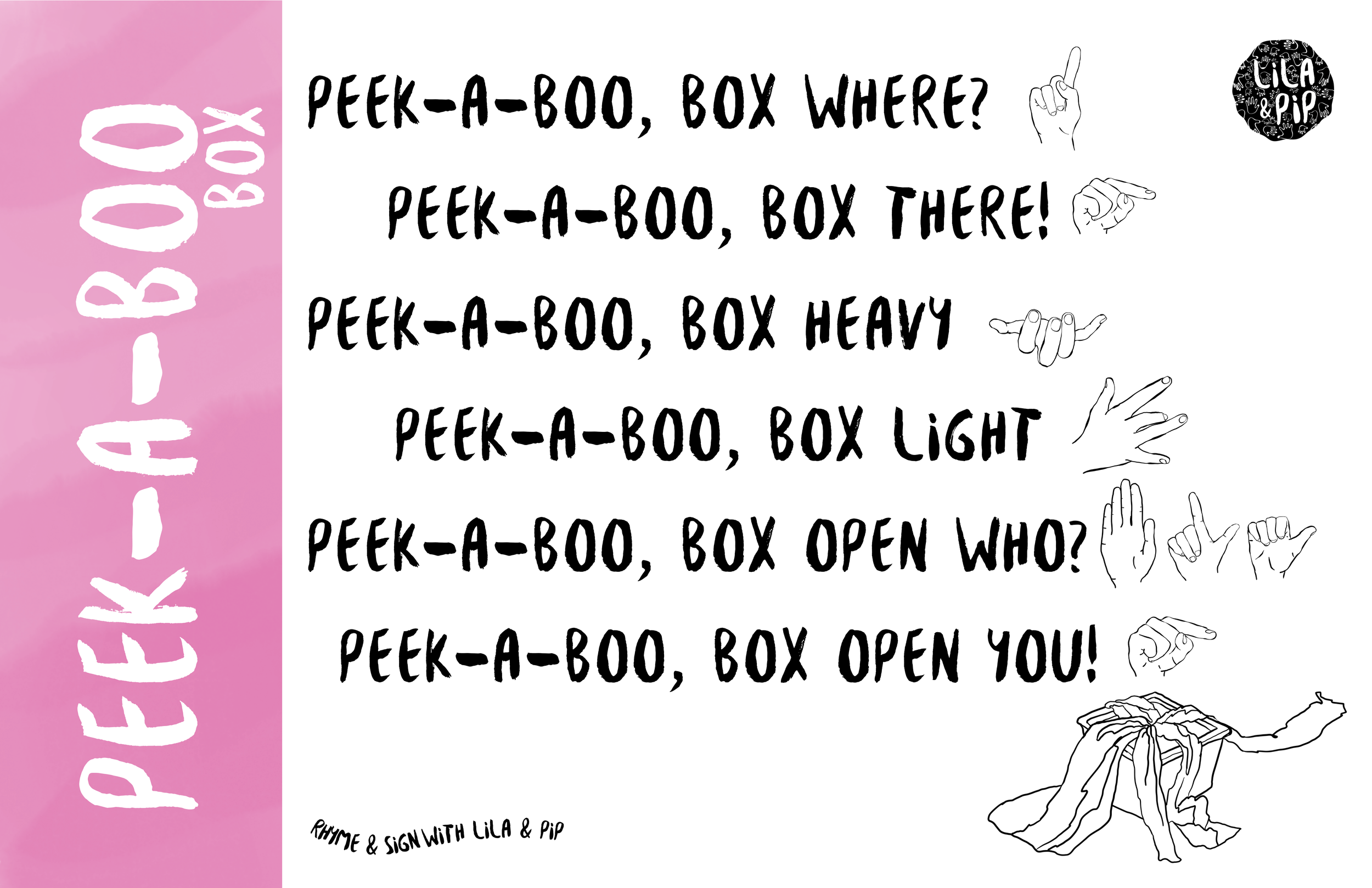
Artifact #3 Description: This is an activity that Koichi led in our last weeks of the course.  I came up with the concept of a workshop on signed languages in ECCE because of the conversations that came up throughout the course, for example, in the “Tokenism or Genuine Participation?” activity that included the prompt “Baby Signs: An educator is inspired by a baby sign class that is offered in the community, and wants to teach baby signs in the classroom.” This was listed as a “grey area” by several, “genuine participation” by some, and “tokenism” by perhaps one participant, if I remember correctly. With mixed reflections on this prompt, as well as other questions raised about using AAC in place of sign language in ECCE, and about the scarcity of sign language representation from sign language users, e.g., Deaf folks or folks with Deaf parents (CODAs = Children of Deaf Adults). A workshop with tangible tips on meaningfully integrating signed languages into ECCE contexts would seem timely and of interest.

In my own professional practice, this workshop framework supports me in mapping how to support ECCE practitioner-educators move beyond tokenistic ‘baby sign’ approaches towards genuine participation, culturally sustaining ASL opportunities that bring ‘being Deaf’ to life for all learners. For Deaf children in particular, this means seeing themselves reflected in books, resources, visuals, educators, and peers within their learning environments. 

Workshop Title: Infusing Signed Languages in Early Childhood Care and Education

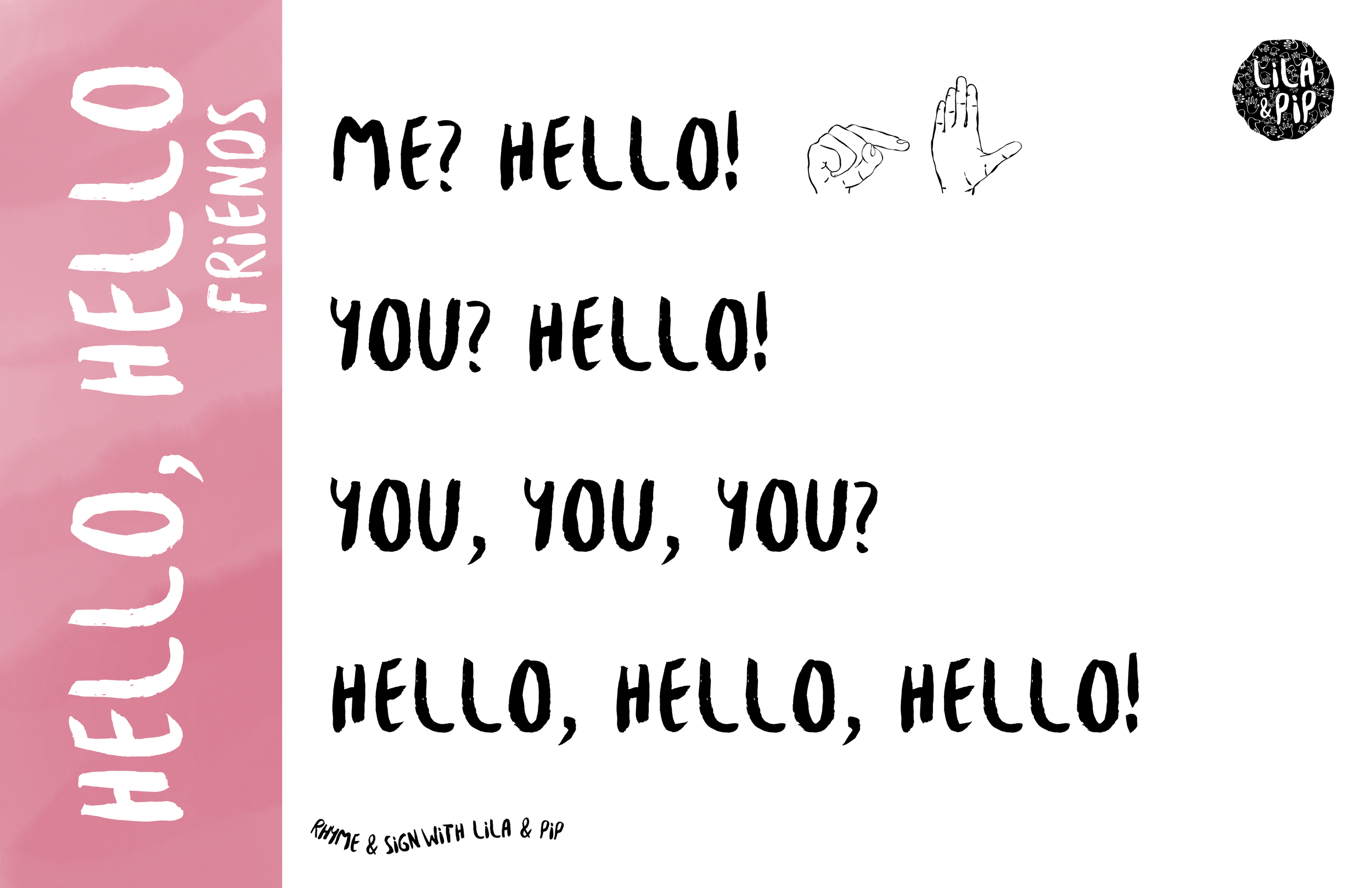
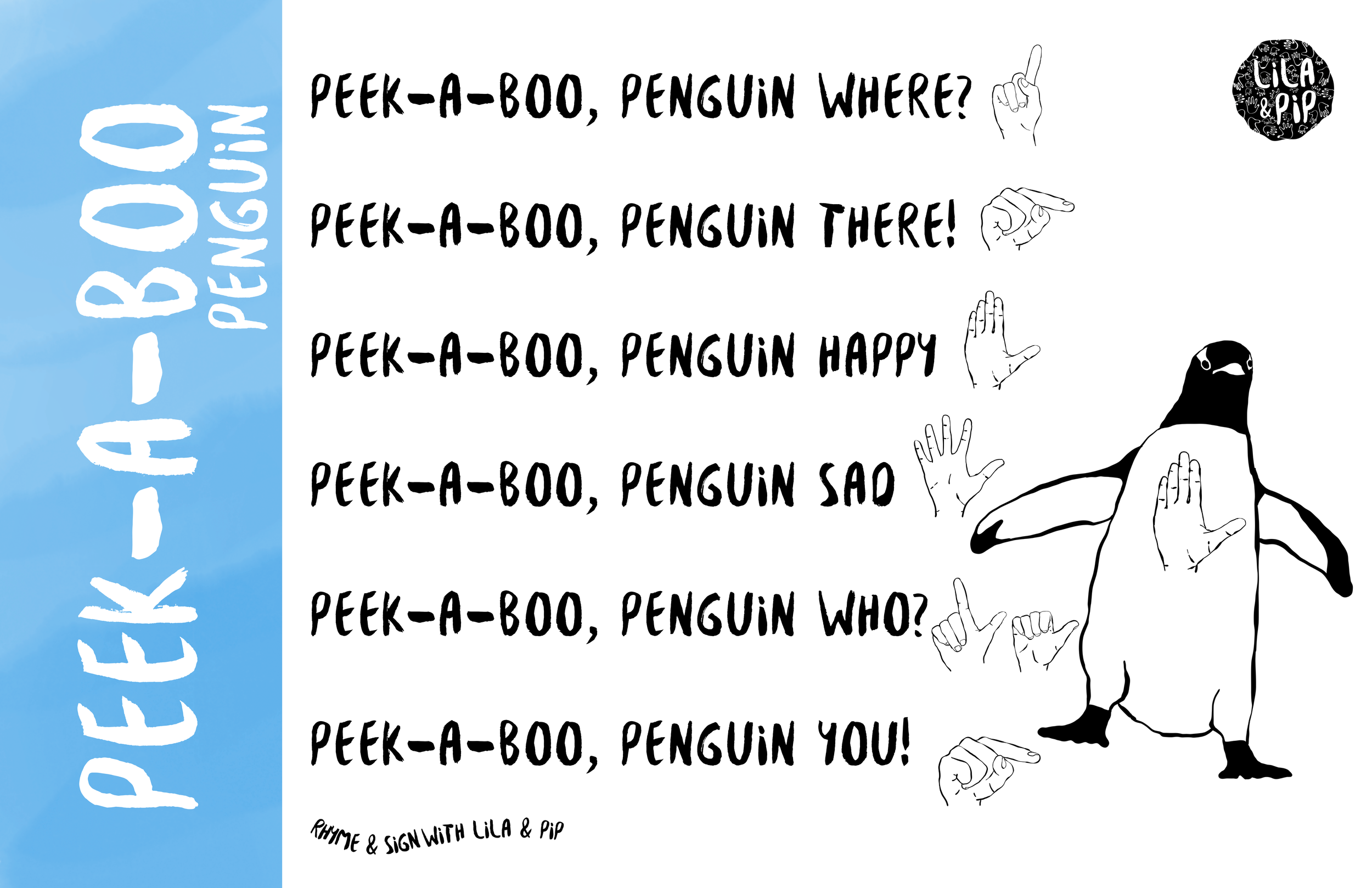
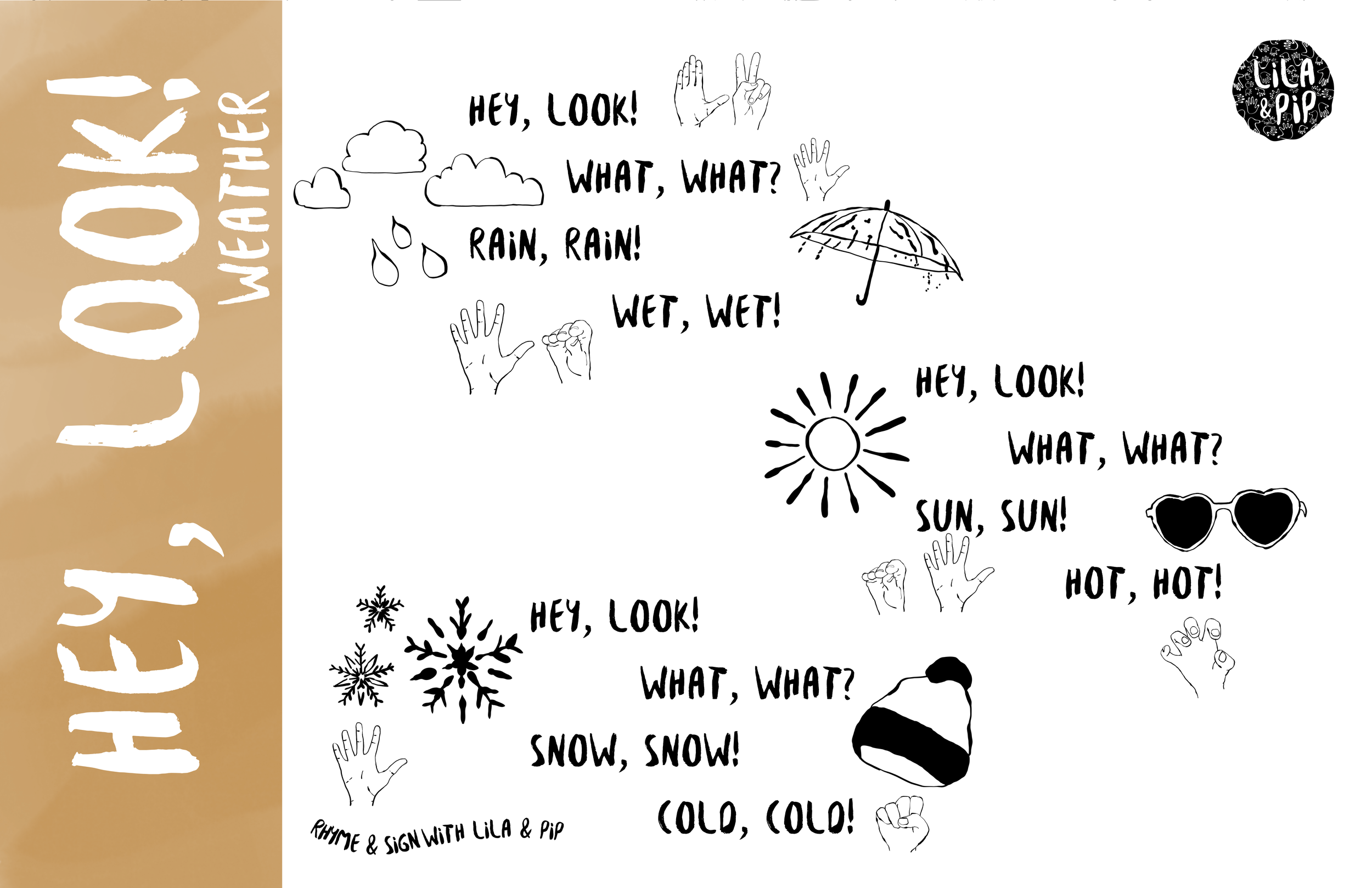
This workshop will help participants distinguish between sign language appreciation and sign language appropriation in ECCE settings, identify opportunities to infuse signed languages and center knowledge keepers, and connect families with Deaf mentors and teachers. Sign language acquisition journeys will be covered e.g., sign babbling, handshape rhymes, early signs. Participants will learn a few ASL Handshape Rhymes & Rhythms they can use and infuse in their practice. This will also be a safe space for conversations about audism and phonocentrism in ECCE. 

Living Inquiries (Formerly Areas of Learning)

  • E.g., Engagement with others, materials, and the world

Pathways (Formerly Learning Goals)

  • Culture and worldviews: Identify and/or establish policies and practices that welcome Deaf learners, parents, community members, and educators

  • Engaging with communication and literacies: 

    • Diversity of languages, including signed languages, and extending interactions with Deaf communities

    • ASL acquisition (including babbling, early sign, basic phrases)

    • Rhymes & Rhythms

Suitable for students, early care and learning professionals working with infants, toddlers, and young children of all hearing abilities.

Facilitator: Alayna Finley

Alayna Finley is a Deaf PhD student in Education at the University of British Columbia, and is the co-founder of Lila & Pip, an American Sign Language-English early language arts enrichment program supporting families with young children. Her creative work blends visual storytelling with a lived perspective on communication, connection, and belonging. As a child, she learned language by exploring the lyrical flow of words, an approach that continues to shape her creative expression and how she moves in the world. Her academic research focuses on parent-child connection and sign language acquisition; Deaf cultural competency in medical training and early hearing detection and intervention (EHDI) contexts; and how deaf experiences are framed in biomedical narratives.

3.png 4.png 5.png 6.png 9.png 10.png 11.png 12.png

References

November 27, 2025

Anderson, J., Horton, L., Kendrick, M., & McTavish, M. (2017). Children’s funds of knowledge in a rural northern Canadian community: A telling case. Language & Literacy, 19(2), 20–32. https://doi.org/10.20360/G2CT05

Friedner, M. (2025). Deaf joy: Recuperating the present, nuancing potentiality, and eating ice cream. Sign Language Studies, 25(2), 325–342. Gallaudet University Press. https://doi.org/10.1353/sls.2025.a953725

Hedges, H., Cullen, J., & Jordan, B. (2011). Early years curriculum: Funds of knowledge as a conceptual framework for children’s interests. Journal of Curriculum Studies, 43(2), 185–205. https://doi.org/10.1080/00220272.2010.511275

Iannacci, L. (2016). A critical analysis of culturally and linguistically diverse community participation in Canadian early childhood education: Power relations, tensions and possibilities. In A. Anderson, J. Anderson, J. Hare & M. McTavish (Eds.). Language, learning and culture in early childhood: Home, school and community contexts (pp. 231- 254). Routledge.

Jones, C.P. (2018). Toward the science and practice of anti-racism: launching a national campaign against racism. Ethnicity & disease, 28(Suppl 1), 231.

Jongbloed, K. (2024, July 29). Sharing our metaphors. [Prezi slideshow presentation]. https://prezi.com/p/embed/5WeS9cMLb3ea57rx6u2T.

Jongbloed, K., Hendry, J., Behn Smith, D., & Gallagher Kʷunuhmen, J. (2023, July). Towards untying colonial knots in Canadian health systems: A net metaphor for settler-colonialism. In Healthcare Management Forum (Vol. 36, No. 4, pp. 228-234). Sage CA: Los Angeles, CA: SAGE Publications.

Massing, C., Kirova, A. & Hennig, K. (2013). The role of first language facilitators in redefining parent involvement: Newcomer families’ funds of knowledge in an intercultural preschool program. Journal of Childhood Studies, 38(2), 4-13.https://doi.org/10.18357/jcs.v38i2.15445

Orón Semper, J. V., & Blasco, M. (2018). Revealing the hidden curriculum in higher education. Studies in Philosophy and Education, 37(5), 481-498.

Pothier, K., & Reinders, K. C. (2024). Complex Erasures: Re/Production of Disability under Settler Colonialism. Canadian Settler Colonialism: Reliving the Past, Opening New Paths. University of Regina.  https://opentextbooks.uregina.ca/canadiansettlercolonialism/chapter/complex-erasures-re-production-of-disability-under-settler-colonialism/

Reyes, I., Iddings, A., & Feller, N. (2015). Building relationships with diverse students and families: A funds of knowledge perspective. Journal of Early Childhood Literacy, 16(1), 8–33. https://doi.org/10.1177/1468798415584692

Tuck, E. (2009). Suspending damage: A letter to communities. Harvard educational review, 79(3), 409-428.

VCH Aboriginal Health. (2021). Indigenous Cultural Safety & Humility Resources Workbook. https://www.vch.ca/sites/default/files/import/documents/VCH-AH-ICS_Resources_Workbook_JAN21.pdf

Latest Posts

Featured
What's In Your Bag?
What's In Your Bag?
Workshop
Workshop
References
References

Powered by Squarespace